
Systems
SOPs That Stick: Documenting Processes Your Team Will Follow
Short, visual, owned — the anatomy of a procedure that survives contact with a busy crew.
Jobs slip through cracks. Quality depends on which crew caught the ticket. The whole operation runs on memory, heroics, and your ability to catch mistakes mid-air. We've walked into hundreds of shops that run exactly this way — and turned them into businesses that run on process instead of adrenaline. Yours can make that turn too.
Documented with your crew at the point of work — no shelf binders
Chaos becomes invisible because it arrives one reasonable-sounding emergency at a time. Read the list as a stranger would.
Chaos rarely travels alone: it usually pairs with a business that can't run without its owner and a team that keeps turning over — the good people are the first to tire of the daily scramble.
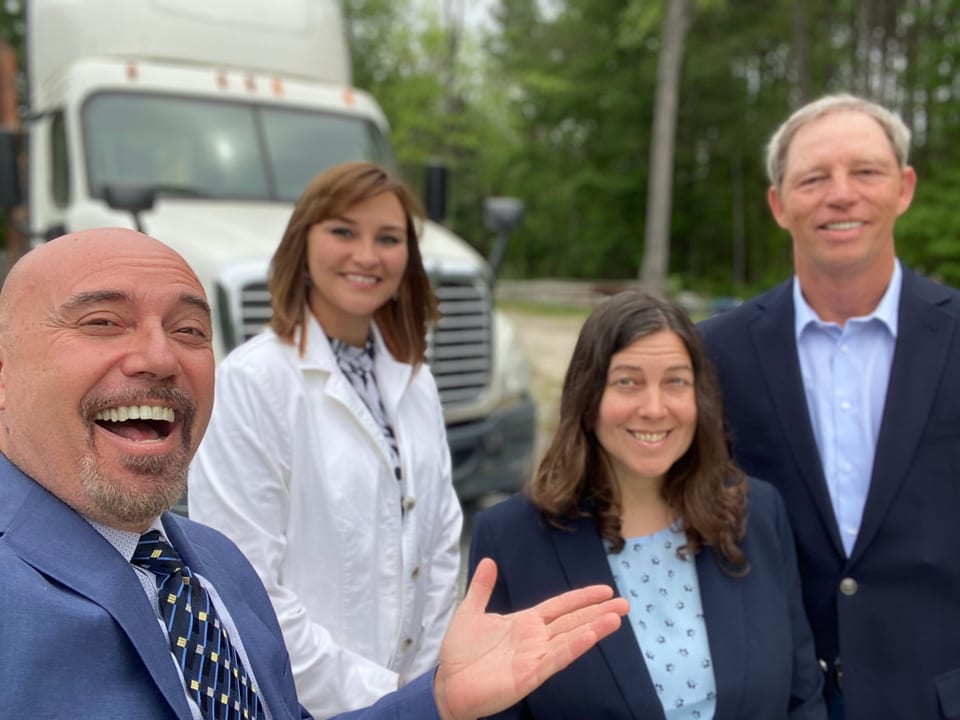 Armando on site
Armando on site with a client's leadership team.
Before writing a single procedure, we map your core process — first call to final invoice — with the people who live it. Bottlenecks, dropped hand-offs, and the constraint that sets your real capacity all become visible on one wall. This is systems and process design done in your building, using Critical Path Methodology and the Theory of Constraints to fix things in the order that pays.
Then come SOPs and checklists — short, visual, built with your crew so they match reality and get owned by the people who use them. One standard per critical process, one name accountable for keeping it current. Quality stops depending on who showed up because "how we do it" finally exists.
Paper doesn't run a company; cadence does. A weekly scorecard and a tight management meeting inspect the numbers each process should produce, so slippage shows up in days instead of quarters. Building the people who run that rhythm is our leadership and team development work — and it's what makes the fix permanent.
“Armando taught us Critical Path Methodology and the Theory of Constraints to manage and grow our business.”
Every go-back, do-over, and warranty visit consumes crew hours, materials, and fuel that no customer pays for — straight out of margin, on jobs you already counted as won. Because chaos makes rework feel routine, most shops never total what it costs them. The number is almost always worse than the owner's guess.
Firefighting doesn't just burn hours — it provides cover. When every day is triage, nobody has bandwidth to notice mispriced work, unbilled extras, or margin quietly eroding. In client engagements, Armando has identified roughly $847,000 in opportunity at American Oil and $644,000 at TamerX — numbers that stay invisible while everyone is busy rescuing today.
While processes live in people's heads, each resignation deletes part of your operating manual — and you pay to rebuild it through the next hire's mistakes. The longer documentation waits, the more of the company exists only as memories that can drive off on two weeks' notice. Written standards are the only version of your business that can't quit.
Short, visual, owned — the anatomy of a procedure that survives contact with a busy crew.
Which process to document first, and the order that compounds.
Why fixing things in the wrong order feels productive and changes nothing.
That is our 2×1 guarantee. Complete the short qualifying application and get a free, no-obligation business assessment with an accredited consultant.